Indonesia's Unique
Endemic Plants
Beyond the celebrated carnivorous species and towering forest giants, Indonesia harbours a remarkable spectrum of endemic flora whose restricted distributions and ecological singularity demand equal scientific attention and conservation priority.
Indonesia, straddling the equator across more than 17,000 islands, represents one of the planet's foremost centres of plant endemism. The country's extraordinary geological and climatic diversity — ranging from coastal peat swamps to sub-alpine meadows above 4,000 metres — has produced botanical lineages found nowhere else on Earth. This archive focuses on a select group of endemic species that fall outside the commonly documented categories of palms, orchids, and giant flowers, yet whose ecological significance and conservation status demand urgent attention.
"Endemism is not merely a biogeographic curiosity — it is the distilled result of millions of years of isolated evolution, irreplaceable once extinguished."
— Adapted from Indonesian biodiversity literatureThe flora documented in this archive share a defining characteristic: their natural distribution is confined to specific regions within the Indonesian archipelago, frequently to single islands, mountain ranges, or distinct ecological zones. This geographical restriction, while a consequence of evolutionary specialisation, renders these species acutely vulnerable to any perturbation of their native habitat. Deforestation, land conversion, climate change, and unsustainable harvesting represent existential threats to each of the species catalogued here.
Botanical Diversity
Indonesia's endemic flora encompasses an extraordinary range of life forms — from towering arborescent species adapted to highland conditions, to delicate rhizomatous herbs confined to alluvial forest floors. The species in this archive represent distinct evolutionary lineages, each shaped by the unique selective pressures of their endemic habitat: altitude, soil chemistry, rainfall patterns, and biotic interactions have sculpted morphologies found in no other flora on Earth.
Ecological Significance
Endemic plants are often keystone components of the ecosystems they inhabit. Their evolutionary specialisation can create tightly coupled interactions with pollinators, seed dispersers, mycorrhizal networks, and soil microbiomes that are equally restricted. The loss of an endemic plant thus rarely constitutes a singular extinction event — it frequently initiates a cascade of co-dependent losses throughout the food web and ecosystem structure.
Conservation Challenges
The endemic flora of Indonesia confronts a convergence of threats whose cumulative impact is accelerating. Primary forest conversion — driven by agricultural expansion, palm oil development, and smallholder encroachment — continues to reduce and fragment the habitats upon which these species depend. Illegal harvesting for ornamental, medicinal, or subsistence use further diminishes wild populations. Climate change imposes additional pressures on montane and sub-alpine species, compressing viable habitat zones upward with each degree of atmospheric warming. Effective conservation demands both legal protection under Indonesian law and active community stewardship at the local level.
The Indonesian Ministry of Environment and Forestry (KLHK) maintains regulatory frameworks for the protection of threatened flora under Government Regulation No. 7 of 1999 and subsequent legislation. However, enforcement capacity across the archipelago remains uneven, and scientific documentation of many endemic species is incomplete. This archive aims to contribute to the body of knowledge essential for evidence-based conservation planning.
This section documents endemic species that do not belong to the major categories of palms (Arecaceae), orchids (Orchidaceae), giant-flowered parasites (Rafflesiaceae), or the aforementioned carnivorous genera. These species are united by a shared characteristic of limited geographic range, documented conservation concern, and ecological importance within Indonesia's diverse biomes. The species presented here include taro relatives, forest herbs, alpine daisies, and highland grasses — all irreplaceable components of Indonesia's botanical heritage.
This archive draws on IUCN Red List assessments, Kew Gardens taxonomic resources, GBIF occurrence data, and primary Indonesian botanical literature. It is intended as a living scientific document, to be expanded as field observations accumulate and taxonomic understanding deepens.
4 Protected
Endemic Species
A documented record of four unique endemic species under Indonesian conservation priority — searchable and expandable with detailed ecological and conservation data.
Habitat &
Distribution
Indonesia's endemic flora does not occur uniformly across the archipelago — its distribution reflects the profound ecological heterogeneity of an island system shaped by tectonic forces, altitudinal gradients, and millennia of biogeographic isolation.
The primary drivers of endemic plant distribution in Indonesia are substrate chemistry, altitude, and historical island connectivity. Many of the species catalogued here occupy narrow ecological niches: the sub-alpine meadows above the montane forest line, the shaded alluvial valleys of ancient river systems, or the thin organic soils of highland ridges where competition from dominant forest species is reduced. These conditions, while restrictive, offer refugia from competitive pressure — and it is precisely within these refugia that evolutionary novelty has accumulated.
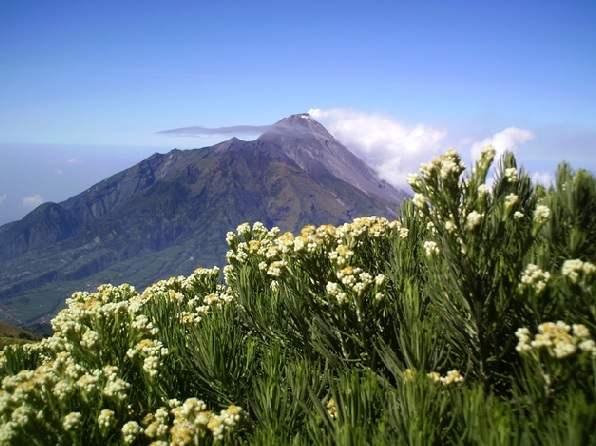
Java's volcanic peaks — Semeru, Gede-Pangrango, and the Tengger massif — host isolated populations of highland endemics including the Javanese edelweis. Despite heavy human pressure on Java's lowlands, these montane refugia retain significant endemic flora.
Borneo's diverse topography — from coastal peat swamps to the Müller Range highlands — supports a rich endemic flora. Alluvial forests and river valley ecosystems harbour species with highly restricted ranges tied to specific soil and hydrological conditions.
The Barisan Range forms Sumatra's phytogeographical spine. Montane and sub-montane forest on these highlands shelters endemic species adapted to the cool, mist-saturated conditions characteristic of elevations between 1,500 and 3,000 metres.
The least botanically surveyed region, Papua's Central Range harbours an extraordinary diversity of endemic flora in its highland moors, moss forests, and alpine grasslands. Many species remain undescribed by science.
Sulawesi's unique biogeographic position — at the intersection of Asian and Australian flora — produces high levels of endemism. Ultramafic substrates and complex highland terrain support specialised plant communities.
Climate change poses a particular threat to montane endemics such as the Javanese edelweis. As mean annual temperatures rise and cloud belts shift upward, the viable habitat zone for sub-alpine plants compresses toward higher elevations. Species already restricted to the upper slopes of volcanic peaks face range contraction with nowhere left to colonise. Conservation measures must therefore address not only present threats but anticipate the trajectory of habitat change over coming decades.
Conservation
Status Overview
The IUCN Red List provides the international standard for conservation status assessment. The four species in this archive span a range of threat levels, reflecting both the diversity of habitats in which endemic flora occurs and the varying intensity of pressures they face.
Primary Threats
-
🌳
Deforestation & Habitat LossThe conversion of Indonesia's primary forests to agricultural land — driven primarily by oil palm, rubber, and food crop expansion — remains the foremost driver of endemic plant decline. Sumatra has lost over 50% of its lowland forest cover since 1985, while deforestation in Kalimantan continues at an alarming rate.
-
🌿
Illegal HarvestingDemand for endemic flora in ornamental horticulture, traditional medicine, and subsistence use drives unsustainable collection from wild populations. Species such as the Javanese edelweis are frequently harvested by hikers and traders despite legal protections, depleting populations on major volcanic peaks.
-
🏗️
Habitat FragmentationRoad construction, infrastructure development, and agricultural expansion fragment continuous forest habitat into isolated patches. This reduces effective population sizes, restricts gene flow between subpopulations, and increases the vulnerability of endemic species to local extinction events such as drought, disease, or invasive species incursions.
-
🌡️
Climate ChangeRising atmospheric temperatures shift the altitudinal boundaries of vegetation zones, compressing montane habitat and altering precipitation patterns. Endemic species with restricted altitudinal ranges — particularly sub-alpine flora — face progressive habitat loss as warming proceeds. Changes in cloud cover and seasonal moisture cycles also affect the microhabitat conditions on which specialist species depend.
-
🌾
Land ConversionThe conversion of forest margins to smallholder agriculture, combined with fire use for land clearance, directly destroys endemic plant populations and their associated ecosystems. Lowland endemics in alluvial zones are particularly vulnerable to the expansion of rice cultivation and market-garden agriculture along valley floors.
Ecological
Importance
Endemic plants are not passive elements of their ecosystems — they play active, often irreplaceable, roles in the ecological processes that sustain the broader biological communities in which they occur.
Biodiversity Anchoring
Each endemic plant species represents the centre of a web of ecological relationships with pollinators, herbivores, seed dispersers, and soil organisms. Many of these associated species are themselves endemic or near-endemic, creating biodiversity clusters whose integrity depends on the persistence of the focal plant species.
Ecosystem Balance
Large-leaved herbs and aroids characteristic of Indonesia's alluvial forests contribute significantly to understorey moisture retention, reducing evapotranspiration and buffering soil temperature fluctuations. Their removal — whether through harvesting or forest conversion — measurably alters the microclimatic conditions on which associated species depend.
Soil & Nutrient Dynamics
Large-statured endemic plants with substantial leaf and root biomass contribute to nutrient cycling through litter production and mycorrhizal networks. In oligotrophic highland soils, endemic alpine species may play a disproportionate role in organic matter accumulation relative to their cover, stabilising soil carbon pools in montane ecosystems.
Pollinator Support
The floral structures of many endemic species are adapted to specific, often equally endemic, pollinator communities. The capitula of sub-alpine composites such as edelweis support insect visitors in environments where floral resources are scarce. Loss of these plants reduces available foraging and nesting habitat for high-altitude invertebrate communities.
Conservation Value
Endemic species carry irreplaceable phylogenetic diversity — evolutionary lineages found in no other flora on Earth. Their extinction constitutes an unrecoverable loss to the global biological heritage. Beyond intrinsic value, endemic plants serve as indicators of ecosystem integrity, making them essential components of biodiversity monitoring frameworks.
Watershed Functions
Highland endemic vegetation — particularly in montane and sub-alpine zones — plays a critical role in watershed hydrology. Dense root mats and high-organic-content soils associated with endemic plant communities intercept rainfall, reduce runoff velocity, and recharge groundwater. Their degradation accelerates erosion and reduces the water retention capacity of mountain catchments that supply lowland communities.
Edelweis & the Sub-Alpine Ecosystem
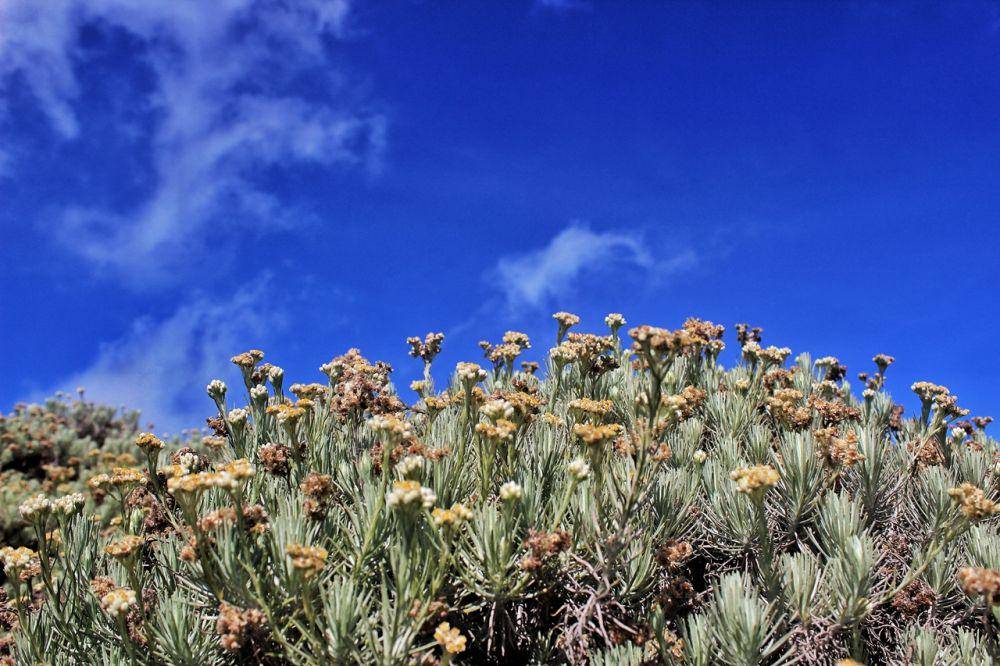
Anaphalis javanica — the Javanese Edelweis, or Bunga Abadi — is not merely an iconic symbol of Indonesia's highland landscapes but a functional component of sub-alpine ecology above the montane forest line. Its persistent, papery flower heads remain on the plant long after fertilisation, providing structural habitat for insects during the dry season when alternative resources are scarce. Dense populations stabilise volcanic soils prone to erosion on exposed ridges. The species is a pioneer coloniser of disturbed ground at high elevation, facilitating the establishment of other sub-alpine species in its wake.
Botanical
Image Gallery
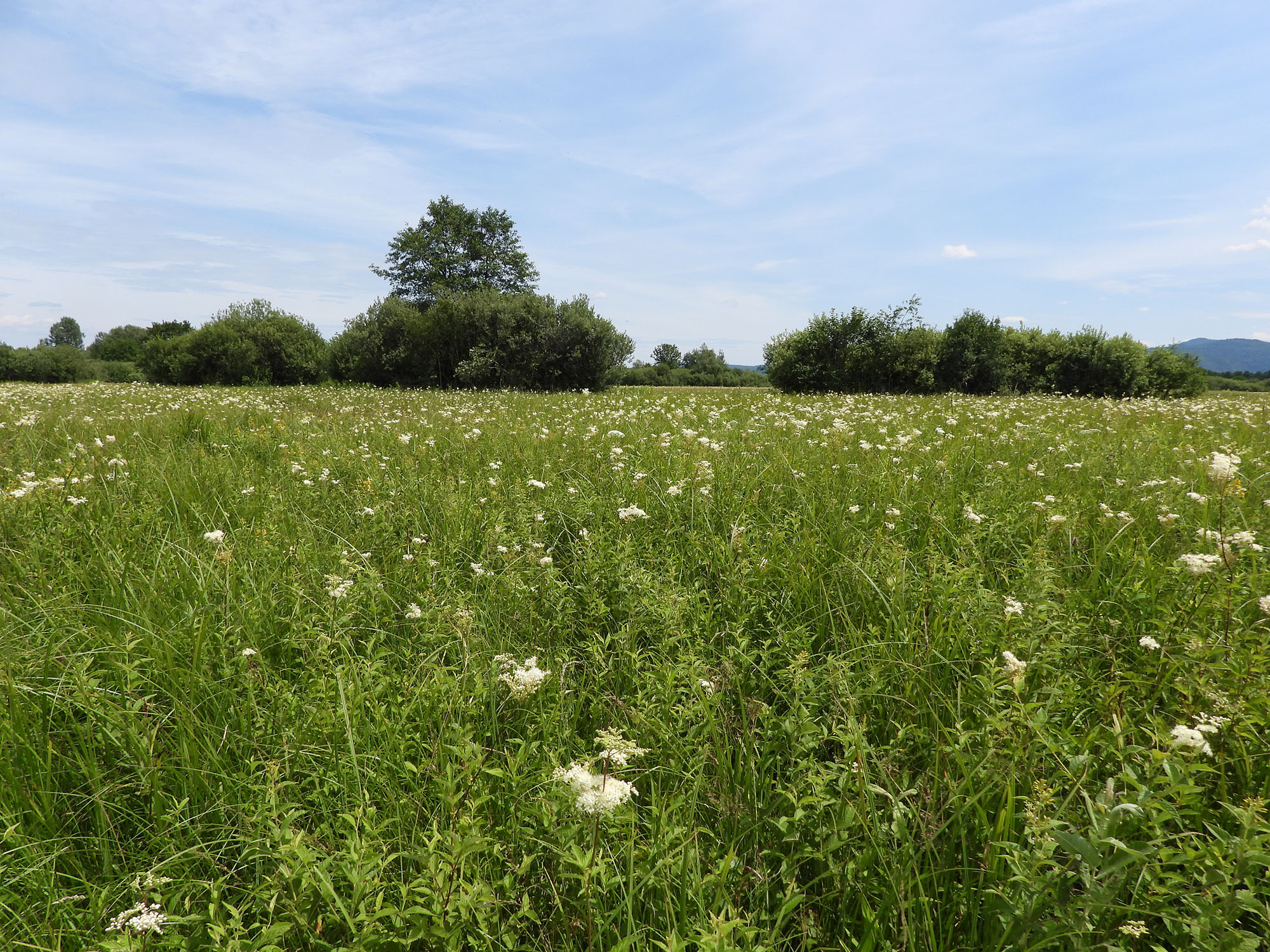
A visual survey of Indonesia's unique endemic flora — from the towering inflorescences of highland aroids to the silver-white capitula of sub-alpine composites clinging to volcanic ridgelines.



%20-%20John%20Morrison.jpg?auto=compress%2Cformat&h=630&w=1200)


References &
Further Reading
This archive draws on primary scientific literature, international conservation databases, and Indonesian government documentation. All species data should be verified against current IUCN assessments.
- IUCN Red List of Threatened Species — Endemic plant assessments (various years). International Union for Conservation of Nature. iucnredlist.org
- Kew Gardens — Plants of the World Online — Taxonomic backbone and global distribution data for endemic Indonesian flora. powo.science.kew.org
- GBIF — Global Biodiversity Information Facility — Occurrence records and specimen data for Indonesian endemic species. gbif.org
- Indonesian Ministry of Environment and Forestry (KLHK) — Government Regulation No. 7 of 1999 on the Preservation of Plants and Animals (PP 7/1999). Jakarta: Kementerian Lingkungan Hidup dan Kehutanan.
- van Steenis, C.G.G.J. (1972) — The Mountain Flora of Java. E.J. Brill, Leiden.
- Beekman, F. (1921) — Flora of the Lesser Sunda Islands. Contributions to the knowledge of the flora of the Malay Archipelago.
- Boyce, P.C. & Croat, T.B. (2011) — The Überlist of Araceae: totals for published and estimated species in aroid genera. International Aroid Society.
- Wiriadinata, H. (1995) — Wild plants utilised by local people in several regions of Indonesia. Bulletin of the Botanic Gardens of Indonesia 8: 1–20.
- Kitayama, K. (1992) — An altitudinal transect study of the vegetation on Mount Kinabalu, Borneo. Vegetatio 102: 149–171.
- CITES Appendix II — Convention on International Trade in Endangered Species: Indonesian endemic flora listings. cites.org
- Biodiversitas Indonesia (LIPI) — Indonesian Institute of Sciences plant catalogue and specimen records. lipi.go.id