:quality(80)/https://asset.kgnewsroom.com/photo/pre/2023/06/27/8caf238c-f61e-46b6-8dd6-965d6a61eb72_jpg.jpg)
About Indonesia's
Rare Palms
Indonesia is home to a remarkable diversity of palms, many of which are found nowhere else on Earth. These species play vital ecological roles in tropical ecosystems and represent an important component of the nation's botanical heritage.
Palms (family Arecaceae) are among the most recognisable and ecologically significant plants of the tropics. Ranging from towering canopy giants to slender understory specialists, palms occupy nearly every forest niche across the Indonesian archipelago. Their fruits, fronds, and stems support an enormous web of wildlife, while their structural diversity contributes to the architecture of the forest itself, from the forest floor to the upper canopy.
"Each endemic palm is a living record of the island it calls home — shaped by isolation, climate, and the slow rhythms of tropical evolution."
— Adapted from Indonesian palm conservation literatureIndonesia's endemic palms hold deep cultural significance, used traditionally for building materials, food, fibre, and ornamental purposes across many island communities. Yet these same species are increasingly vulnerable to habitat destruction. Lowland and montane forests — the primary habitats of rare palms such as Palem Ekor Ikan, Palem Jawa, Pinang Jawa, and Kokoleceran — continue to shrink under pressure from logging, agricultural conversion, and development. Protecting these palms means protecting the forests and the countless species that depend on them, making conservation efforts essential to preserving Indonesia's botanical heritage for future generations.
Endemic Diversity
Indonesia is one of the world's richest centers of palm diversity, hosting hundreds of species across its islands. Many of these palms are restricted to small ranges — single mountains, valleys, or forest blocks — making them especially vulnerable yet scientifically invaluable as windows into the archipelago's evolutionary history.
Ecological Importance
Palms support a vast range of wildlife by providing fruit, shelter, and nesting sites for birds, bats, and small mammals. Their root systems and leaf litter contribute to nutrient cycling, while their structural presence helps stabilise forest composition and supports overall ecosystem resilience.
Conservation Challenges
Rare Indonesian palms face mounting pressures: habitat loss from deforestation and land conversion, agricultural expansion, illegal collection for the ornamental trade, and the compounding effects of climate change on montane and lowland forest ecosystems. Several species are known from only a handful of populations, making targeted conservation action essential to their survival.
The Indonesian Ministry of Environment and Forestry (KLHK) classifies these rare palm species as protected organisms — it is illegal to collect, trade, or destroy them without special research permits. Yet enforcement remains inconsistent across the archipelago's many islands. International support, local community stewardship, and scientific documentation are the three pillars on which their survival depends.
Indonesia's rare and endemic palms are protected under national biodiversity conservation regulations, including Government Regulation No. 7 of 1999 on the Preservation of Plants and Animals. Under this framework, collection, possession, transportation, or trade of protected palm species without authorisation carries significant legal penalties, reflecting Indonesia's commitment to the Convention on Biological Diversity.
This archive documents Indonesia's protected rare palm species with scientific rigour and the reverence they deserve — drawing on KLHK protected flora data, IUCN assessments, Kew Gardens monographs, and primary taxonomic literature. It is a living document, intended to grow as new field observations emerge and taxonomic understanding evolves.
Rare Palm Species
of Indonesia
A curated collection of protected and endemic palms with restricted natural distributions across Indonesia.
Habitat &
Distribution
Rare Indonesian palms occupy specialized ecological niches ranging from lowland rainforests to mountainous tropical regions.
The distribution of Indonesia's rare palms reflects the island's varied terrain — from humid lowland rainforests near sea level to cool, mist-laden montane forests at higher elevations. Each species has adapted to specific conditions of soil, moisture, and canopy cover, resulting in localised populations that are highly sensitive to changes in their surrounding habitat.
Center of endemic palm diversity represented in this collection. Java's remaining forest fragments shelter all four species documented here.
Key habitat for several protected palms, including Palem Ekor Ikan and Palem Jawa, found in lowland and coastal tropical forests.
Important refuge for endemic species such as Pinang Jawa, which is restricted to humid montane forests at higher elevations.
Habitat loss continues to pose a particularly acute threat to these species. As lowland and montane forests are cleared for agriculture and development, the fragmented pockets of habitat on which these palms depend continue to shrink. Species with already restricted distributions — such as Kokoleceran and Pinang Jawa — face the prospect of further range contraction with limited refuge remaining.
Conservation
Status Overview
Among the four rare palms documented in this archive, all are recognised as protected species, with most also classified as endemic to Java and facing a high overall conservation priority.
Primary Threats
-
🌳
Deforestation & Habitat LossConversion of tropical forests to agricultural land and other uses remains one of the greatest drivers of decline for Java's rare palm species, steadily reducing the lowland and montane forest fragments these species depend on.
-
🚜
Agricultural ExpansionExpansion of farmland into forest margins continues to fragment and shrink the remaining habitat of species such as Palem Jawa and Kokoleceran, isolating populations from one another.
-
🏙
Urban DevelopmentJava's dense and growing urban centres place increasing pressure on lowland and coastal forest habitats, particularly affecting species like Palem Jawa that occur near populated areas.
-
🔥
Climate ChangeShifting rainfall patterns and rising temperatures threaten the specialised montane and lowland forest conditions that rare palms such as Pinang Jawa rely on, with potential long-term effects on their already limited ranges.
-
⚠
Habitat FragmentationAs forest cover becomes patchier across Java, populations of rare palms become more isolated, reducing genetic exchange and increasing vulnerability to local extinction.
Ecological
Importance
Rare palms are far more than botanical curiosities. They play measurable, often irreplaceable, roles in tropical forest ecosystems — roles that disappear with their extinction.
Food Source
Rare palms produce fruits that support birds, mammals, and insects. These fruiting bodies form an important part of the diet for many forest-dwelling species, particularly during seasons when other food sources are scarce.
Forest Structure
Palms contribute to canopy complexity and ecosystem resilience. Their varied growth forms — from understory clusters to emergent crowns — add structural diversity that benefits countless other forest organisms.
Biodiversity Support
Rare palms provide habitat for numerous forest organisms, from nesting birds to insects sheltering among their fronds, forming an integral thread within the broader forest food web.
Wildlife Interactions of Indonesia's Rare Palms
Rare palms interact with diverse wildlife through pollination, seed dispersal, and habitat creation, making them important contributors to tropical forest health. Birds and bats help disperse palm seeds across the forest, while insects pollinate palm flowers and small mammals forage on fallen fruit. Forest microorganisms, in turn, break down leaf litter and fruit remains, recycling nutrients back into the soil. These layered relationships illustrate how the loss of a single rare palm species can ripple outward to affect the wider forest community.
Botanical
Image Gallery
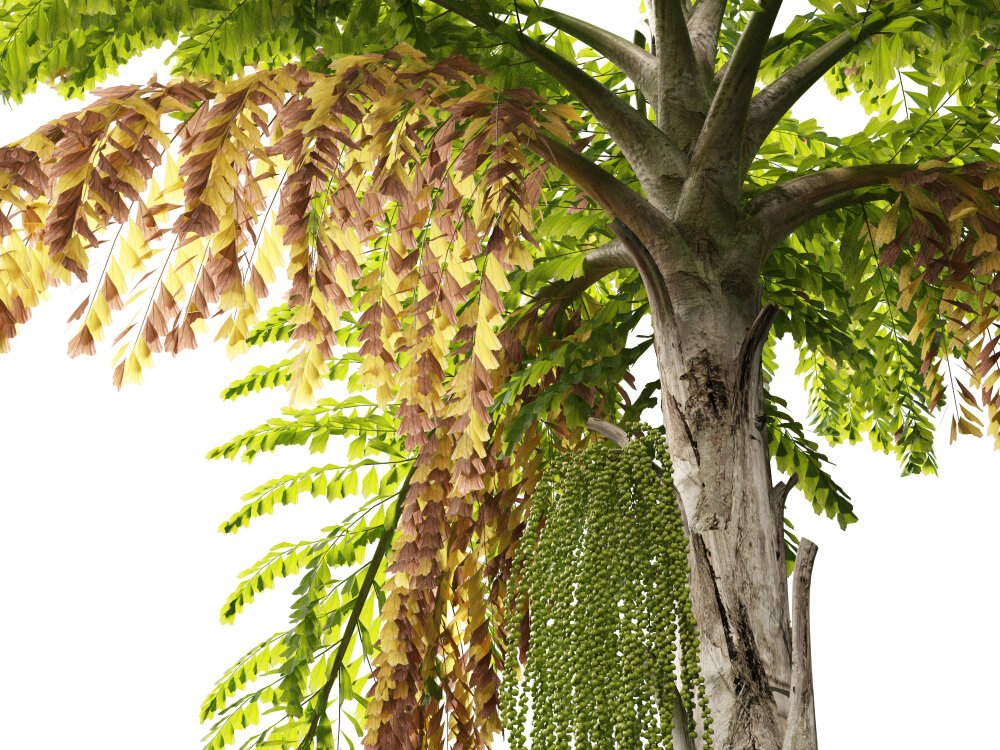
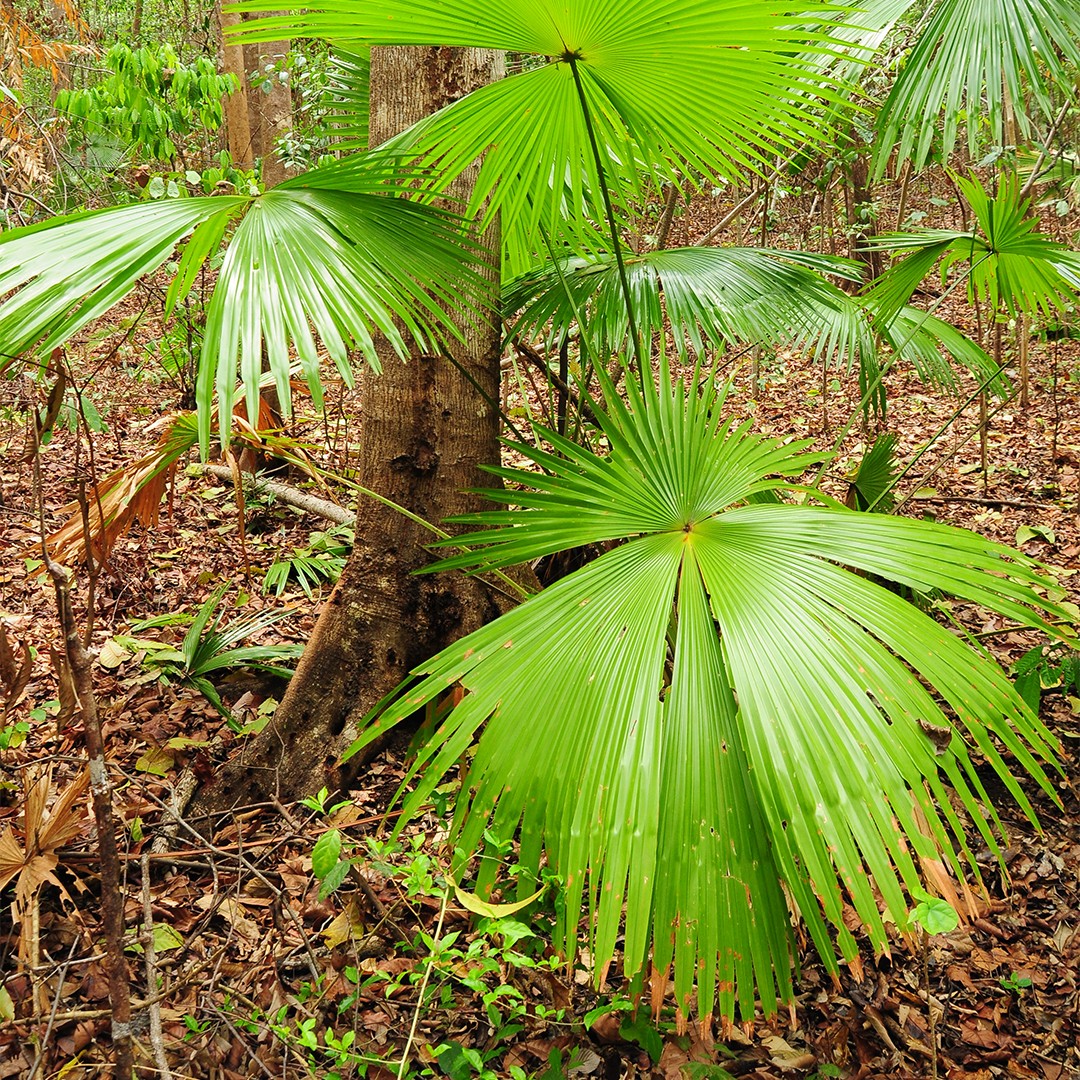
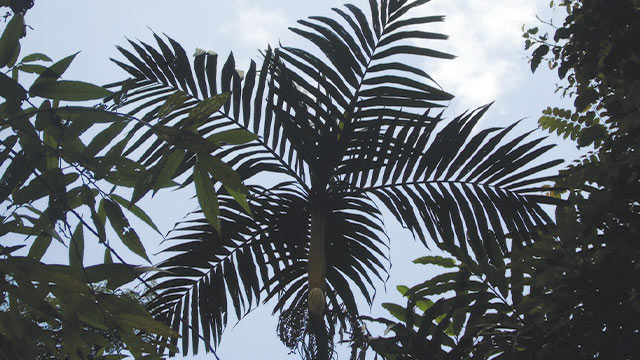
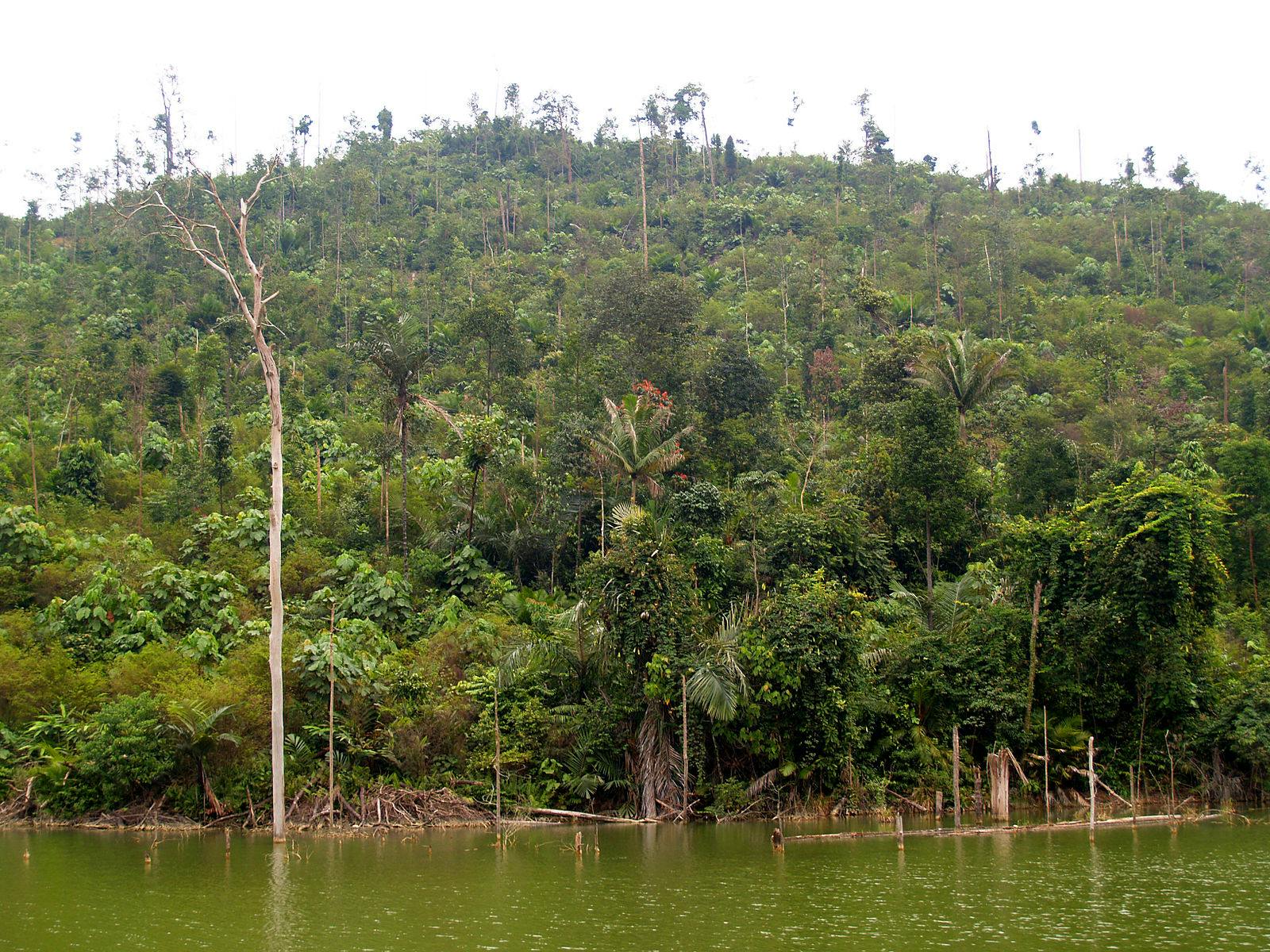
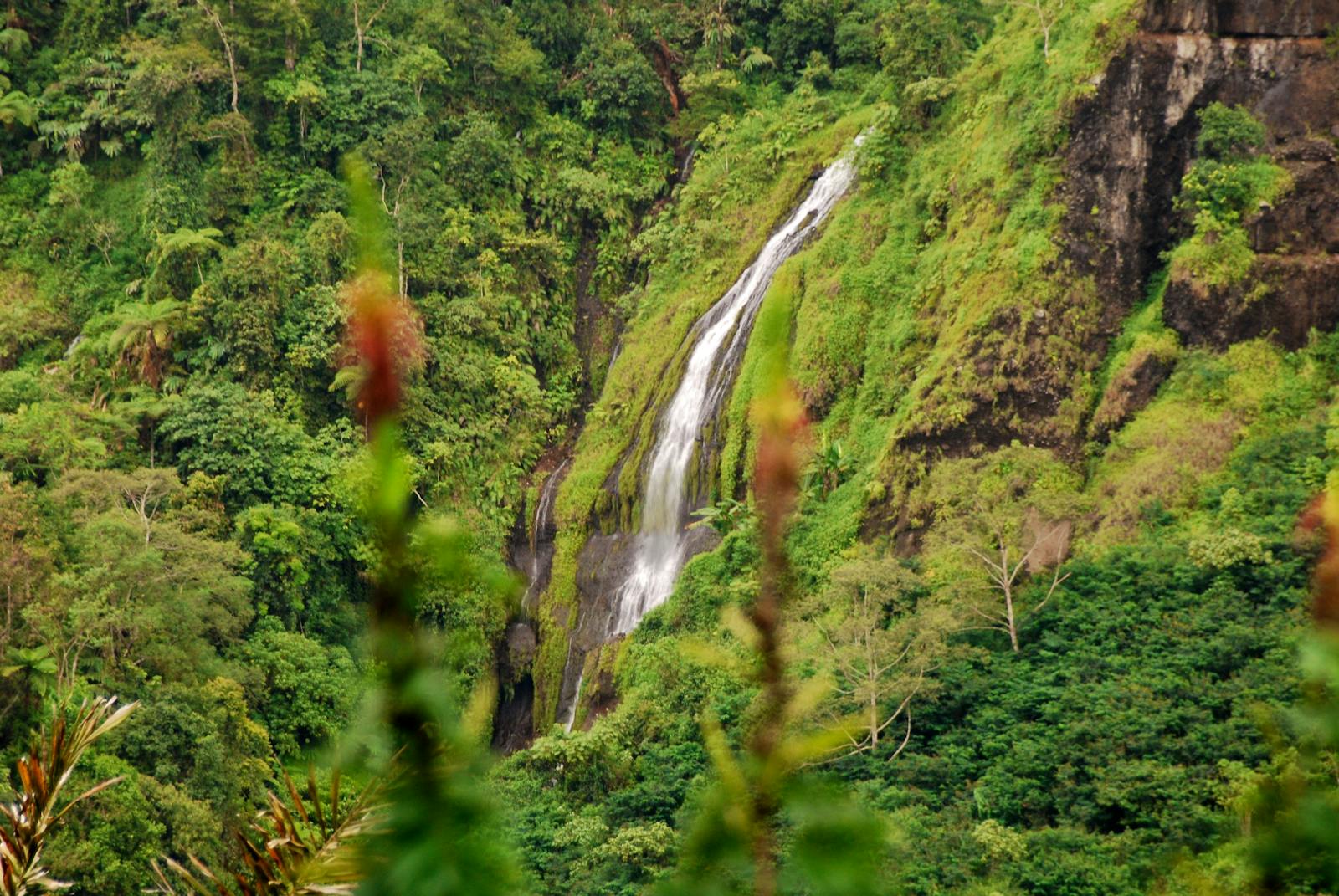
A visual survey of Indonesia's rare palms — from the fishtail fronds of Palem Ekor Ikan to the mist-laden montane forests where endemic species cling to survival.



References &
Further Reading
This archive draws on primary scientific literature, international conservation databases, and Indonesian government documentation. All species data should be verified against current IUCN assessments.
- IUCN Red List of Threatened Species — Palm (Arecaceae) assessments (various years). International Union for Conservation of Nature. iucnredlist.org
- Kew Gardens — Plants of the World Online — Taxonomic backbone and distribution data for Arecaceae. powo.science.kew.org
- GBIF — Global Biodiversity Information Facility — Occurrence records and specimen data for Indonesian palm species. gbif.org
- Indonesian Ministry of Environment and Forestry (KLHK) — Protected flora data and Government Regulation No. 7 of 1999 on the Preservation of Plants and Animals (PP 7/1999). Jakarta: Kementerian Lingkungan Hidup dan Kehutanan.
- Dransfield, J., Uhl, N.W., Asmussen, C.B., Baker, W.J., Harley, M.M. & Lewis, C.E. (2008) — Genera Palmarum: The Evolution and Classification of Palms. Kew Publishing, Royal Botanic Gardens, Kew.
- Mogea, J.P. (1991) — Indonesian palms: studies and conservation status. Reinwardtia — Indonesian Journal of Botanical Research.
- Witono, J.R. & Mogea, J.P. (2007) — Diversity and conservation status of Javanese palms. Biodiversitas — Journal of Biological Diversity.
- Indonesian Biodiversity Database (Biodiversity Warehouse) — National species occurrence records for endemic and protected flora.
- World Flora Online — Taxonomic and distribution data for Caryota mitis, Livistona rotundifolia, Pinanga javana, and Orania sylvicola. worldfloraonline.org
- CITES — Convention on International Trade in Endangered Species: relevant Arecaceae listings. cites.org